
Specific Cultivation Practices for the Black Truffle (Tuber melanosporum)

If you're a truffle enthusiast, you know how fascinating and complex it is to cultivate Tuber melanosporum, also known as the Perigord Black Truffle. Unlike other varieties, the Perigord Black Truffle requires precise care and constant attention to the specific cultivation practices that accompany its annual production cycle. In this article, we will focus solely on this variety, providing a detailed guide to keep it healthy, active, and productive over time.
1. Site selection and symbiotic plants: the foundations of a productive truffle orchard
The planting phase is the most strategic in the entire truffle cultivation process. A wrong choice of land or plants can compromise years of work. For the Perigord Black Truffle, it is crucial to create a favorable and stable ecosystem, where the fungus can establish a lasting symbiosis with the roots of host plants.
📍 Ideal site characteristics
✅ Altitude
- Ideal between 100 and 800 m above sea level
✅ Exposure
- South, southeast, or southwest are preferable: maximum light, dry and well-warmed soil.
- Avoid shaded slopes, valley bottoms, or areas prone to waterlogging.
✅ Slope
- Slight slope (2–10%) is ideal for natural drainage.
- On flat land: create small ditches or raised beds to prevent waterlogging.
✅ Ventilation
- Slight ventilation reduces excess humidity and fungal risks.
- Avoid areas that are too enclosed or prone to persistent fog.
🧪 Soil characteristics
🔬 Preliminary soil analysis
Performing a physical-chemical analysis (0–30 cm depth) before planting is mandatory.
| Characteristic | Ideal value |
|---|---|
| pH | 7.5 – 8.3 (alkaline) |
| Structure | Loamy, loamy-sandy, well-drained |
| Total limestone | > 8% (optimal between 10% and 30%) |
| Organic matter | 1.5% – 2.5% |
| Phosphorus (P2O5) | 40–80 mg/kg |
| Potassium (K2O) | 120–180 mg/kg |
| Salinity | Low (EC < 1 mS/cm) |
💡 Compact clay soils or soils too rich in humus are not suitable.
🌿 Selection of symbiotic (mycorrhizal) plants
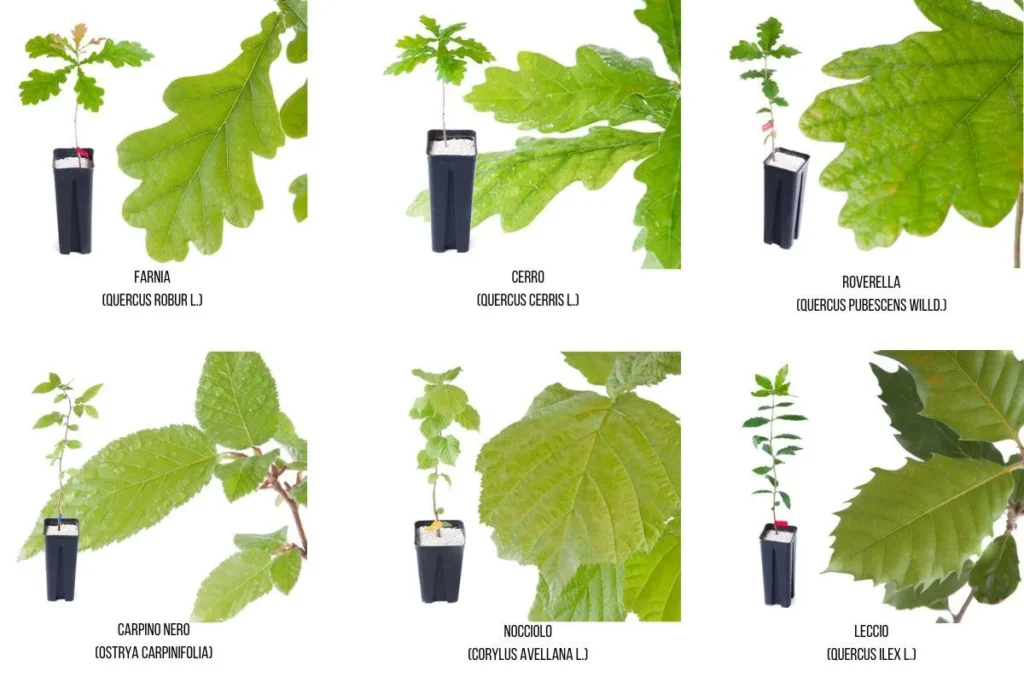
Tuber melanosporum needs live roots with which to form a mycorrhizal symbiosis. Plants should be purchased from certified nurseries, with controlled mycorrhization certification (D.M. 29/02/2004 in Italy).
🌳 Symbiotic species compatible with Tuber melanosporum
| Species | Scientific name | Main characteristics |
|---|---|---|
| Downy Oak | Quercus pubescens | Hardy, suitable for calcareous and well-exposed soils. Slow but long-lasting growth. Promotes high-quality truffles. |
| European Hop-hornbeam | Ostrya carpinifolia | Resistant and vigorous. Suitable for well-drained soils, even on slight slopes. Excellent for sub-hilly areas. |
| Hazelnut | Corylus avellana | Produces early (4–6 years). Likes fertile and irrigated soils. Useful for earlier harvesting. |
| Holm Oak | Quercus ilex | Evergreen, tolerates drought well. Ideal for warm climates, calcareous soils. Maintains a stable microclimate. |
| Turkey Oak | Quercus cerris | Vigorous and adaptable. Prefers sunny exposures and shallow soils. Less used, but compatible. |
| Pedunculate Oak | Quercus robur | Suitable for fresh and deep soils. In calcareous and well-ventilated environments, it can be very productive. |
📌 Hazelnut offers earlier production (4–6 years). Downy oak and hop-hornbeam ensure greater longevity and stability.
📏 Density and planting pattern for symbiotic plants
Depends on the chosen species and the expected canopy development.
| Species | Recommended spacing (m) | Estimated density (plants/ha) | Agronomic notes |
|---|---|---|---|
| Downy Oak | 6 × 6 | ~278 | Slow growth but wide canopy; needs space for the brûlé. |
| European Hop-hornbeam | 5 × 5 | ~400 | Moderate development, suitable for denser plantings. |
| Hazelnut | 4 × 4 | ~625 | Early and compact plant, adapts to more intensive spacing. |
| Holm Oak | 6 × 6 or 6 × 5 | ~278–333 | Evergreen with dense canopy: requires distance to avoid excessive shading. |
| Turkey Oak | 5.5 × 5.5 | ~330 | Spreading habit, vigorous growth. Intermediate distances recommended. |
| Pedunculate Oak | 6 × 6 | ~278 | Deep roots, wide canopy: spaced planting is better. |
💡 Maintain a buffer zone of 1–1.5 m around the plant, free of weeds and deep tillage (brûlé development area).
📦 Practical tips
- Avoid planting near woodlands already colonized by spontaneous truffles (e.g., Tuber brumale or Tuber aestivum): risk of contamination.
- Choose 1-year-old plants, 20–50 cm tall, with an intact root ball.
- Irrigate immediately after planting if the soil is not naturally moist.
- Keep traceability documents for mycorrhizal plants.
The Perigord Black Truffle thrives in well-drained, sunny environments, with calcareous soils and a pH between 7.5 and 8.5. The most commonly used symbiotic plants are Downy Oak, European Hop-hornbeam, and Hazelnut, all capable of establishing an effective mycorrhizal relationship with Tuber melanosporum.
Correct planting distance (5×5 m or 6×6 m) is essential for good aeration and development of the brûlés, the vegetation-free areas that indicate active mycelial activity.
2. Pruning: a practical guide to promote light, balance, and truffles
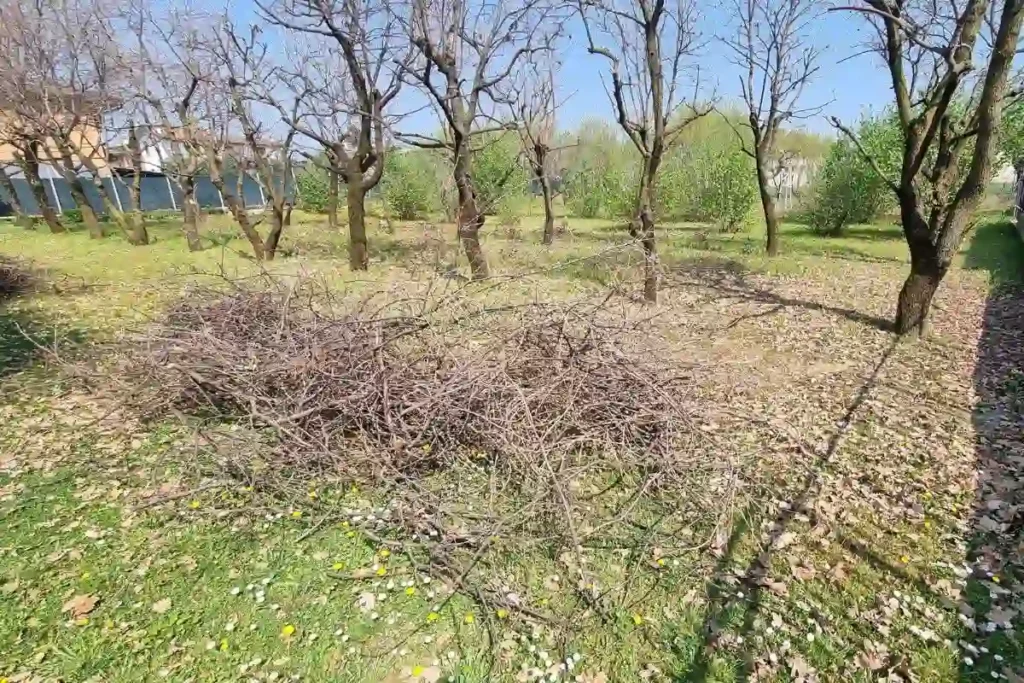
Pruning of symbiotic trees is one of the most important agricultural practices in a Tuber melanosporum truffle orchard. It does not just have an aesthetic or tree-production function, but serves to create the ideal microclimate for truffle development in the soil.
🌳 Why prune in a truffle orchard
The Perigord Black Truffle likes soils that are:
- sunny
- well-ventilated
- not too moist on the surface
Pruning serves to:
- increase light to the soil, stimulating the formation of the brûlé (productive zone)
- control excessive vegetative growth of the tree
- limit root competition between plants
- facilitate soil aeration (fewer antagonistic fungi)
🕒 When to prune
- In late winter (February-March): formative or thinning pruning, to promote solar penetration.
- In summer (July): possibly light green pruning to remove suckers and unruly branches.
Avoid drastic pruning that can weaken the plant.
Avoid autumn pruning, which can promote undesirable vegetative regrowth before winter.
🪚 Types of pruning to apply
1. Formative (first 5–6 years)
- The shape of the canopy (vase, central leader, or natural spreading) is modeled to promote sun exposure.
- 3–5 main branches, well-distributed, are maintained.
- Suckers and excess lower branches are removed.
2. Productive (from 6 years onwards)
- Thin the canopy to allow light and air to penetrate the understory.
- Remove crossing, dead, or poorly oriented branches.
- Limit excessive growth upwards and outwards (reduces shade on the brûlé).
3. Renewal (over 15 years)
- Rejuvenate the tree with more decisive cuts to stimulate new vegetation and improve mycorrhizal root activity.
🔧 Recommended tools
- Hand pruners for small branches
- Loppers for medium cuts
- Saw for branches larger than 4–5 cm
- Pruning sealer (optional for cuts over 5 cm)
✅ Always keep your tools sharp and disinfected.
🧭 Where and how to cut
- Make clean, angled cuts close to the branch collar, without leaving stubs.
- Avoid cuts too close to the trunk (which injure the collar).
- If cutting a large branch, leave a slight angle to promote water drainage.
☀️ Light and shade in the truffle orchard
Tuber melanosporum prefers partially sunny areas. The general rule:
💡 The soil should receive at least 4–6 hours of direct light per day during the summer months.
If the canopy is too dense:
- the brûlé will be reduced,
- soil humidity will increase (ideal conditions for molds and other fungi).
- Remove and burn pruned branches outside the truffle grounds (to prevent diseases and infestations).
- Do not prune during periods of severe water stress or frost.
- Record every intervention in a management log, indicating the type of pruning and the species involved.
3. Management of herbaceous vegetation
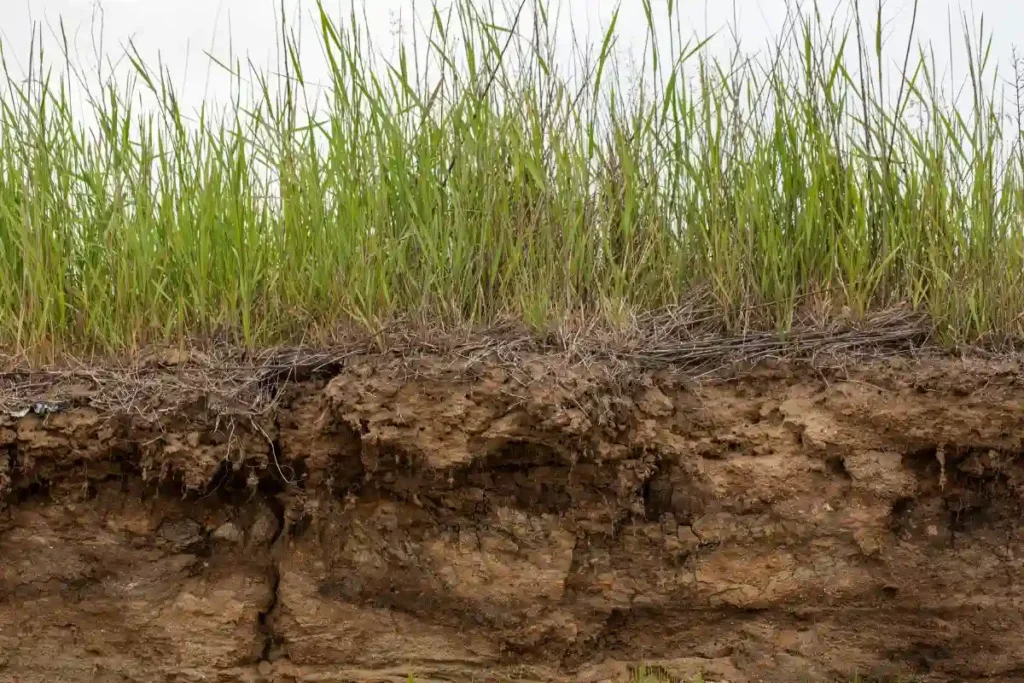
Mowing the grass is a very important cultivation practice, especially to maintain a microclimate favorable for truffle development and reduce competition for water and nutrients. Here’s when and how to mow:
🌱 Recommended period for mowing
-
Spring (late April – May):
After the first spring rains and before the grass gets too tall. This prevents the grass from drawing moisture from the soil and mycelia. -
Summer (June – July):
If it rains and the grass continues to grow, a second mowing is useful. Avoid mowing during very dry periods to avoid stressing the soil. -
Autumn (September – October):
Before the truffles begin to ripen (November), a light mowing can be done to facilitate harvesting and soil transpiration.
⚙️ Mowing methods
- Lawnmower or flail mower, avoiding deep tillage that would disturb the mycelium.
- Leave some dry residue (natural mulch) to limit soil evaporation.
- Do not mow too short, to avoid exposing and drying out the soil, especially in hotter or drier areas.
🎯 Mowing objectives:
- Reduce water competition between grass and mycelium.
- Maintain more stable soil moisture.
- Prevent the proliferation of non-symbiotic insects or fungi.
- Facilitate access for monitoring and harvesting.
4. Irrigation: key technique for the production of the Fine Black Truffle
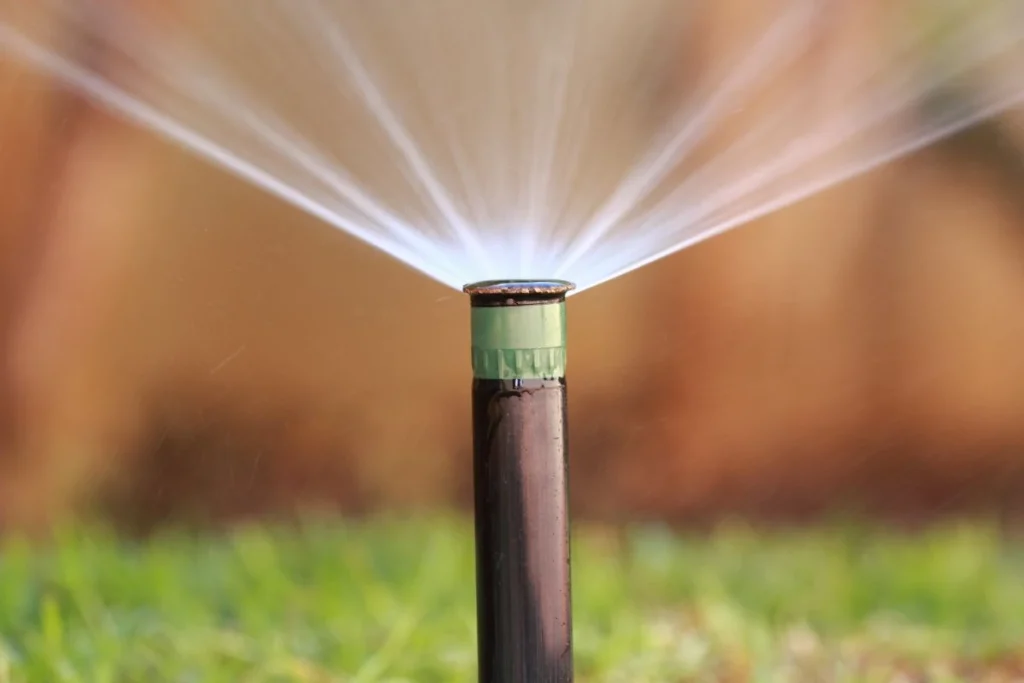
Irrigation is one of the most delicate but crucial agricultural interventions in the cultivation of the fine black truffle (Tuber melanosporum). Proper water management can make the difference between a fruitful year and a disappointing one.
📌 Irrigation objective
Keep the soil moist but never saturated, recreating optimal conditions for truffle development and maturation. The mycelium needs water, especially in summer, to allow for the formation of primordia (future truffles) and their growth until winter maturation.
🕒 When to irrigate
- June – July: start of the critical period. Support irrigation can begin if it hasn't rained for more than 10 days.
- July – August: most important phase. This is when truffles form. Insufficient or excessive irrigation can cause mycelial abortions or malformed truffles.
- September – October: water supply can be progressively reduced, evaluating the weather and residual soil moisture.
📏 Recommended quantities
- 25–40 mm per week, divided into two interventions (e.g., 20 mm on Monday and 20 mm on Thursday).
- It is preferable to have deep, less frequent irrigation rather than light, daily irrigation, to stimulate root systems to deepen.
💡 Ideal irrigation system type
- Drip or localized micro-irrigation: distributes water near host plants without wetting the entire surface.
- Absolutely avoid sprinklers which promote weed germination and increase competition.
- Drip lines should be placed 40–50 cm from the trunk to avoid directly moistening the collar.
🧪 Moisture control
- Use a tensiometric probe or inexpensive tools like a soil hygrometer to check the moisture level in the first layer (0–20 cm).
- The soil should remain cool but not muddy. If it compacts after foot pressure, it's too wet.
🛑 Watch out for waterlogging
- Tuber melanosporum fears waterlogging. Avoid irrigation in the presence of poorly draining clay soils.
- In sloping truffle grounds or very sandy soils, organic mulching (straw, wood chips) can be useful to retain moisture and reduce evaporation.
🐜 Side effects to monitor
- Excess water can favor the growth of antagonistic fungi (e.g., Tuber brumale, Tuber mesentericum) and the development of truffle pests.
- In the presence of vigorous grass after irrigation, targeted mowing is recommended to limit root competition.
5. Active brûlé and monitoring
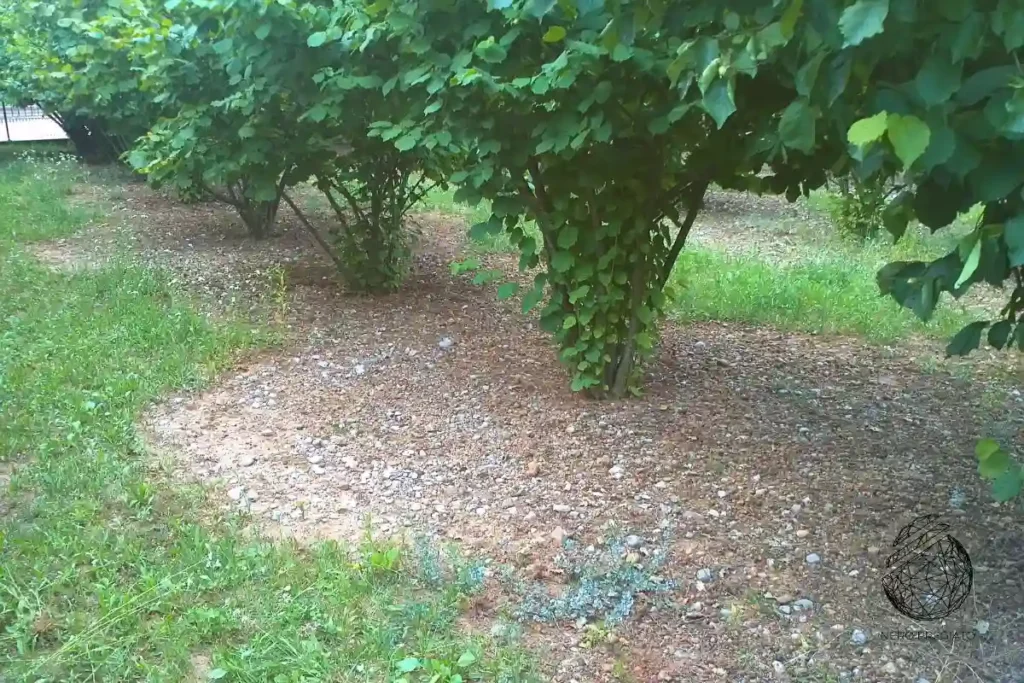
The brûlé (from the French burnt, in Italian jargon pianello or bruciata) is a characteristic visual phenomenon of truffle grounds, and represents a very important indicator of the presence and activity of truffles, particularly Tuber melanosporum.
🔍 What is brûlé?
The brûlé is an area of bare or almost bare soil, devoid of herbaceous and spontaneous vegetation, that forms around the base of mycorrhizal plants (such as Downy Oak, Hornbeam, or Hazel) where the truffle mycelium is active.
🧬 Why does it form?
The truffle mycelium, i.e., the vegetative part of the fungus that lives in the soil, releases a series of biochemical substances (allelochemicals) into the soil that:
- Inhibit the growth of other plants (especially herbaceous plants and weeds).
- Make the soil less competitive for the truffle, which dislikes root competition.
- Maintain the microenvironment drier, sunnier, and more aerated, ideal conditions for fruiting.
📏 Appearance and dimensions
- The brûlé appears as a light or dry patch, circular or elliptical in shape, extending up to 1.5–2 meters in diameter around the plant.
- In the early years of the truffle grounds, it is small, but it grows over time if the mycelium is healthy and develops.
🧭 What does it indicate?
✅ An active, regular, and well-defined brûlé is an excellent sign: it indicates that the black truffle mycelium is alive, dominant, and competitive.
⚠️ If the brûlé disappears or shrinks, it could indicate:
- Aging of the mycelium.
- Presence of other antagonistic fungi.
- Cultivation problems (imbalanced pH, excess water, lack of light).
🧑🌾 How is it managed?
This is where truffles form most frequently, so it is the area to monitor carefully during harvesting.
It should not be disturbed: avoid tillage or fertilization within the brûlé area.
Keep the area free of weeds but without breaking up the soil.
6. Fertilization and soil amendments in the truffle grounds: balance and precision
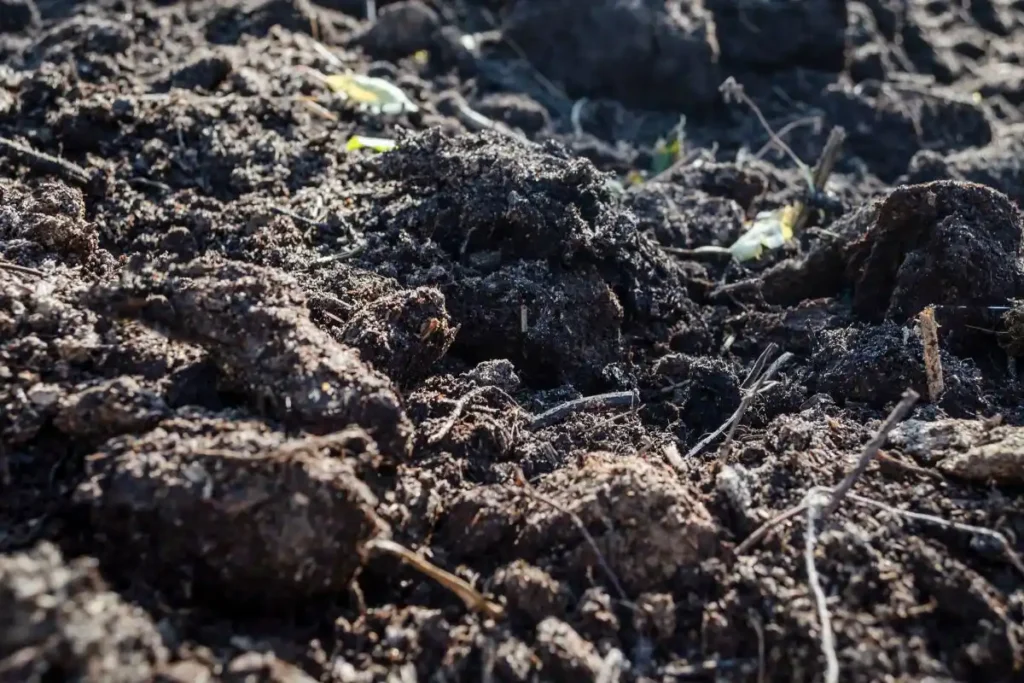
Truffle grounds do not require intensive fertilization. However, fertilization in the cultivation of the Fine Black Truffle can be beneficial; it is a very delicate operation: if done correctly, it can improve mycelial vitality and production; if poorly executed, it can compromise mycorrhizal symbiosis or favor the development of antagonistic fungi.
⚖️ Fertilization: yes or no?
Tuber melanosporum is an oligotrophic fungus that thrives in poor but stable and well-structured soils. The general rule is:
👉 “Little and targeted, only if necessary.”
🧪 When to intervene
Every 2–3 years, perform a soil analysis (sampling in the first 20–30 cm) to evaluate:
- pH (should be between 7.5 and 8.3)
- organic matter content
- levels of macronutrients (nitrogen, phosphorus, potassium, calcium, magnesium)
- physical-mechanical structure (clay, sand, silt)
Only if marked imbalances emerge, intervene with selective amendments or fertilizers.
🧯 Caution with nitrogen
Nitrogen is dangerous in truffle cultivation because it:
- Promotes excessive grass growth (root competition)
- Can alter microbial flora to the detriment of the truffle
- Stimulates the emergence of competitor fungi (e.g., Tuber brumale)
✅ If absolutely necessary, use organic nitrogen with slow release (e.g., mature composted manure) and never mineral nitrogen (urea or ammoniacal).
🪱 Recommended organic amendments
Soil conditioners are used to improve soil structure, enrich organic matter, and promote mycelial development.
📌 Permitted and useful soil conditioners:
- Well-rotted cattle manure (at least 2 years old): maximum 2–3 kg/plant, lightly incorporated 50 cm from the trunk.
- Certified vegetable compost: increases microbial activity and soil moisture retention.
- Worm castings: rich in beneficial microorganisms and microorganisms antagonistic to pathogens.
- Hardwood branch chips (biodegraded for at least 6 months): also useful as mulch.
🛑 To avoid:
- Mineral fertilizers with high nitrogen and phosphorus content
- Fresh manure or poultry manure (too aggressive and unstable)
- Compost from uncertified municipal waste
📆 When to apply organic fertilizers
- Late autumn – early winter (November – December): to allow the organic matter to mineralize slowly.
- Spring (April – May): if there is a need to stimulate vegetative regrowth or after dry years.
🪨 Useful minerals in small doses
- Agricultural lime (calcium carbonate): useful if the pH drops below 7.5.
- Dolomitic rocks: provide calcium and magnesium naturally and balanced.
- Basalts or volcanic powders: enrich with micronutrients without altering the pH.
✍️ Practical tips
- Never fertilize within the brûlé area.
- Distribute the material on the surface or lightly bury it around the tree (30 to 100 cm from the trunk).
- Use clean gloves and tools to avoid contamination.
- Always record treatments in a truffle farm management log.
7. Weeding: soil aeration and mycorrhizal stimulation (April–May)
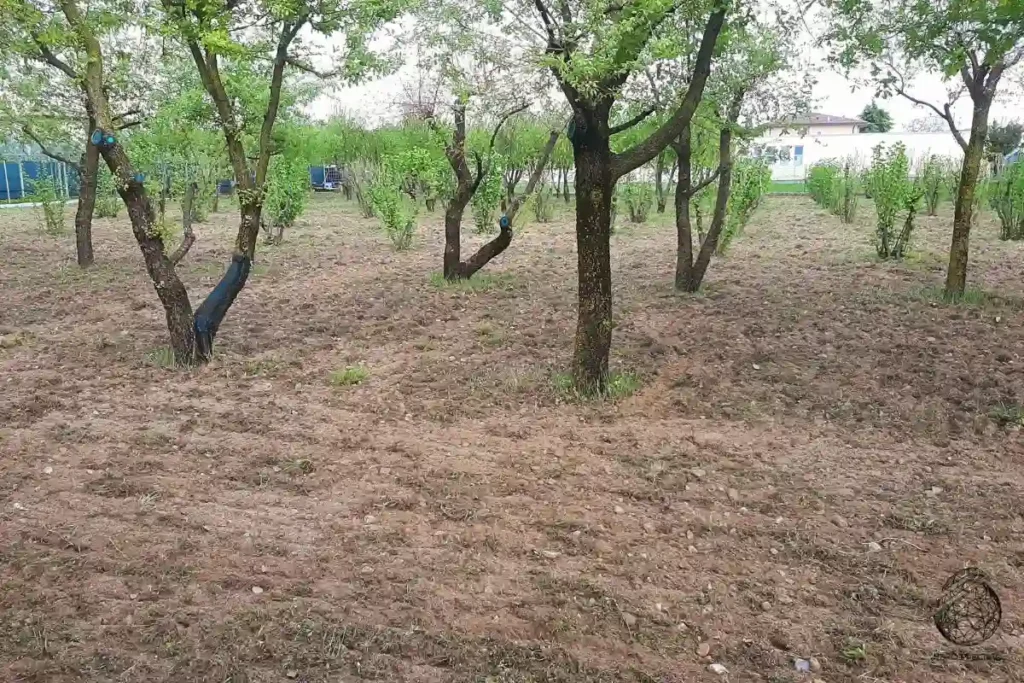
Among the most important specific cultivation operations in the management of a Black Truffle plantation, spring weeding represents an essential technical step to maintain the soil in optimal conditions. This practice, to be carried out carefully in April and May, consists of superficially breaking the crusty layer of the soil through light mechanical intervention, such as using a flexible or spring-tine harrow.
The main objective of weeding is to promote soil oxygenation, improve drainage, and stimulate the activity of mycorrhizae already present in the soil. Furthermore, it helps to control weeds, particularly those that emerged after winter, and to make the substrate more permeable to water and subsequently applied fertilizers.
The harrow is the ideal tool for this type of cultivation because it allows for a uniform, superficial, and non-invasive action, avoiding damage to fine roots and the already developed mycorrhizal system. The intervention must be carried out in alternate rows and maintained at a maximum depth of 10–12 cm, with particular attention not to get too close to the collar of the symbiotic plants, where the truffle develops its most sensitive relationships with the root system.
Regular weeding during the right periods significantly improves soil vitality and creates an environment favorable for black truffle fruiting, acting in synergy with other cultivation practices such as irrigation, fertilization, and vegetation control.
🚜 Weeding: soil aeration and mycorrhizal stimulation
- Break the superficial soil crust
- Promote aeration of roots and mycorrhizae
- Stimulate the development of Black Truffle hyphae
- Reduce competition from weeds during regrowth
- Improve water and nutrient absorption
📆 When is it done?
- In the spring months of April and May, when the soil is still moist but not too compact
- It is best to operate after light rain, avoiding dry or overly wet soil
⚙️ How is it performed?
- Manually, with a hoe or wide-tined fork, for small truffle farms
- With light-tine harrows or low-power tillers, for larger plantations
- Avoid getting too close to the plant collar to prevent root damage
📝 Important notes:
- Never weed beyond 15 cm to avoid disturbing formed mycorrhizae
- It is useful to combine weeding with spore inoculation, to encourage new colonization
8. Tuber melanosporum spore inoculation (April–May)

Spore inoculation is a technique useful for strengthening the presence of mycelium in the roots of symbiotic plants, especially in the early years of the truffle plantation, or in the presence of signs of brûlé weakening.
🧫 When to inoculate?
Between April and May, when soil conditions are mild, sufficiently humid, and before the full vegetative regrowth of the symbiotic plants.
🧪 Necessary ingredients
- Discarded black truffle (Tuber melanosporum), stored in the freezer
- Rainwater or unchlorinated well water
- Fructose (50% of the weight of the truffle used)
- Vermiculite (inert, absorbent substrate, useful for creating consistency)
🥣 Preparation of the spore mixture
- Thaw the truffle taken from the freezer.
- Blend it with rainwater or well water until a liquid and homogeneous mixture is obtained.
- Add fructose in an amount equal to half the weight of the truffle (e.g., 100 g truffle → 50 g fructose).
- Slowly pour the vermiculite into the mixture, stirring until a hand-moldable compound, similar to a moist paste, is obtained.
- Form inoculum balls the size of a walnut or slightly larger.
🧑🌾 Application method
- Dig a hole 15–20 cm deep, about 50 cm away from the trunk of the mycorrhized plant.
- Insert one ball per hole, cover well and do not compact the soil excessively.
- You can make 2–3 holes around each plant, varying the position each year to cover the entire root zone.
✅ Advantages of spore inoculation
- Strengthens the mycorrhizal activity of Tuber melanosporum
- Helps maintain mycological competition against competing fungal species
- Promotes the continuous production of the truffle farm over time
- Economical and replicable even in hobby contexts
🎯 Objective: to maintain a living spore population in the soil and support the symbiotic bond between plant and truffle during crucial development phases.
📝 Here I indicate other methods of spore inoculation. Truffle cultivation: How to do spore inoculation.
9. Black Truffle Harvesting
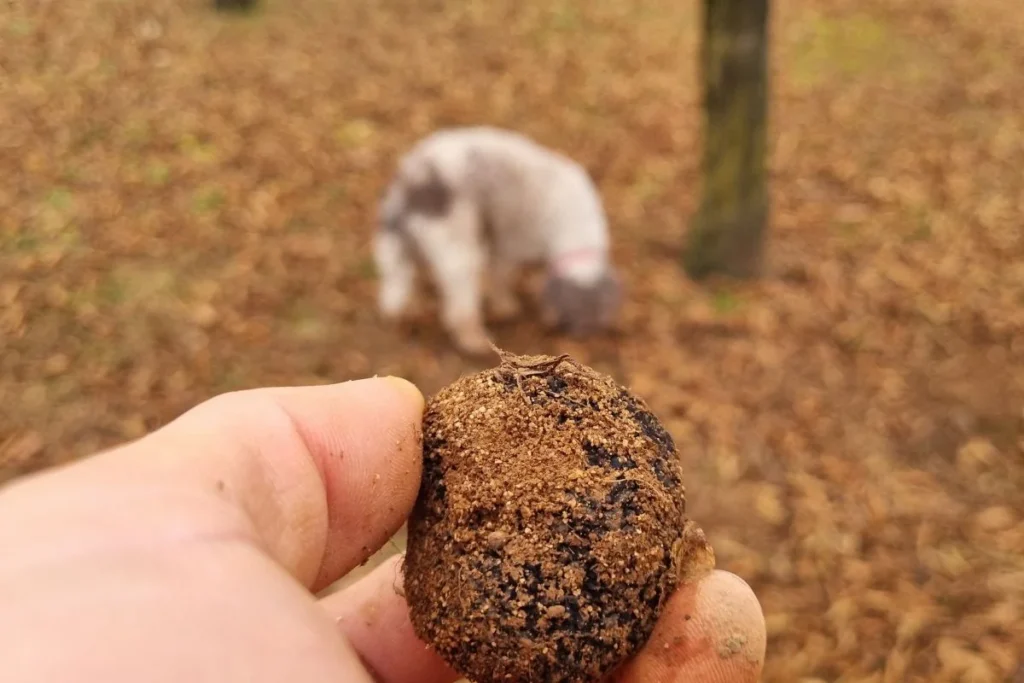
Harvesting Tuber melanosporum represents the pinnacle of truffle growing activity, but requires expertise, patience, and compliance with regulations. It is also the most delicate phase, on which the quality and commercial value of the truffle itself depend. Harvesting in Lombardy begins on December 1st and ends on March 15th, with the help of trained truffle dogs. Never dig by hand without the indication of the Dog, to avoid damaging the mycelium.
📅 Harvest period
- Start: December 1st
- End: March 15th (in Lombardy, subject to regional variations)
- Maturation depends on climatic conditions, soil type, and site exposure.
👉 A mature Black Truffle has:
- Rough black surface
- Flesh (gleba) with thin white veins and slices
- Intense and characteristic aroma (not mushroomy, but with notes of hazelnut and undergrowth)
🐶 Use of truffle dogs
The trained dog is the main tool for ethical and effective harvesting. Dogs recognize mature truffles thanks to their specific aroma.
- Training: starts as a puppy, using real truffle or natural oils.
- The dog must indicate the area and not dig excessively to avoid damaging the mycorrhiza.
- The use of pigs is prohibited in many Italian regions, including Lombardy.
🪛 Excavation technique
- Use a truffle spade (regulated by law).
- Carefully remove the soil without damaging the truffle.
- After harvesting, it is mandatory to close the hole with the same soil: this is crucial to protect the mycelium and promote future fruiting.
🧽 Cleaning and storage
- Clean only when ready to consume: use a soft brush and cold water.
- Store fresh truffles in a closed container with absorbent paper, in the refrigerator (2–4°C).
- Change the paper daily to prevent mold.
- Optimal consumption within 5–7 days of harvest.
⚠️ Rules and permits
- In Lombardy, to collect truffles in woods and public lands, a truffle hunter's license, issued by the Region, is mandatory.
- Collection in private cultivated truffle grounds is free for the owner or those authorized by them.
- It is forbidden to:
- Use unauthorized tools
- Dig deeply
- Leave open holes
📝 Expert tips
- Harvest truffles only when ripe: premature harvesting ruins their commercial value and damages the truffle ground.
- After each harvest, observe if the plant produces new brûlé: this is a sign of mycorrhizal vitality.
- Keep a harvest log to monitor productivity over time.
🎯 Goal of sustainable harvesting: to obtain high-quality truffles without compromising the future productivity of the truffle ground.
✅ Conclusion
Tuber melanosporum is one of the most prized and delicate varieties to cultivate, but with careful and constant management, excellent results can be achieved, both in terms of quality and quantity. Well-planned cultivation operations allow for maintaining a natural balance between plant, soil, and mycelium, promoting the production of excellent truffles.