
Cultivation practices for truffle varieties

If you are a truffle enthusiast, you probably know the thrill of owning a truffle patch, whether it's on your private land or if you have access to truffle grounds in state-owned forests, perhaps after obtaining a permit from regional authorities. Truffle cultivation is an ancient and fascinating art that requires care, attention, and in-depth knowledge of the cultivation operations necessary to keep truffle grounds healthy and productive.
In this guide, we offer you an exclusive collection of essential cultivation operations, month by month, to ensure the health and productivity of truffle grounds. These operations are fundamental for successfully cultivating the most common and renowned truffles among the nine edible varieties: the White Truffle, Black Truffle, Summer Truffle, Hooked Truffle, and the Bianchetto Truffle.
White Truffle, (Tuber magnatum pico)
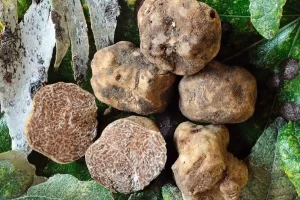
Irrigation: in June, July, August, September, and October.
Weeding: in March and April.
Pruning: in February, March, and August.
Grass cutting: in May, June, July, and August.
Spore inoculation: in March and April.
Harvest in Lombardy: September, November, December, and January.
Black Truffle, (Tuber melanosporum)
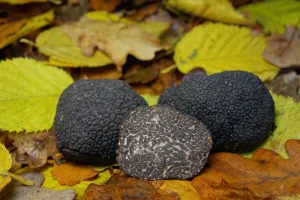
Irrigation: in June, July, August, September, and October.
Weeding: in April and May.
Pruning: in February, March, and September.
Mulching: in July, August, September, and October.
Spore inoculation: in April and May.
Harvest in Lombardy: December, January, February, and March.
Hooked Truffle, (tuber uncinatum)
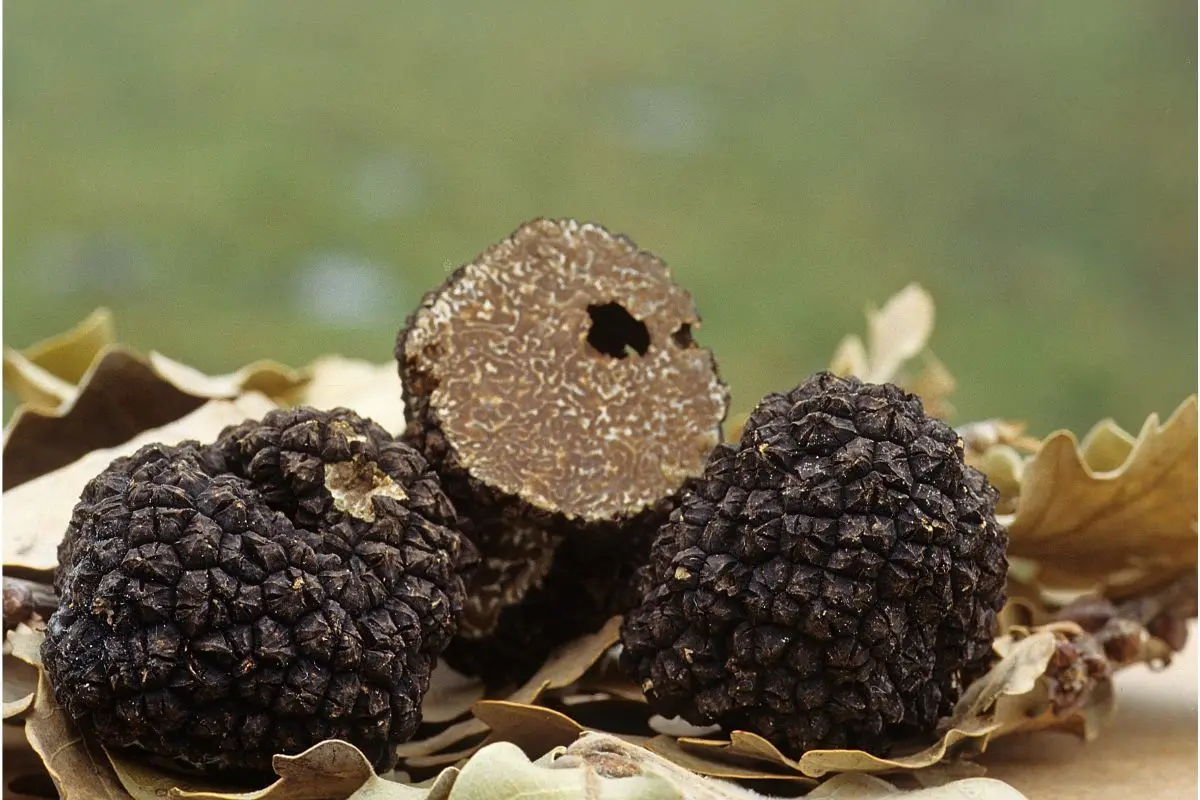
Pruning: in February, March, and August.
Mulching: in December, January, February, March, and April.
Spore inoculation: in March and April.
Harvest in Lombardy: October, November, and December.
Summer Truffle “scorzone” (Tuber aestivum)
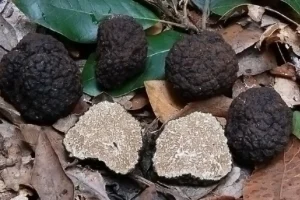
Irrigation: in April, May, June, and July.
Weeding: in September and October
Pruning: in February, March, and August.
Mulching: in December, January, February, March, and April.
Spore inoculation: in September and October
Harvest in Lombardy: June, July, August, September, October, and November.
Bianchetto Truffle, (Tuber borchii)
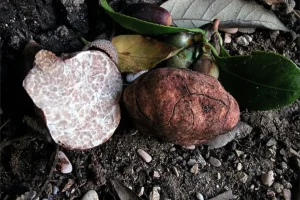
Weeding: in May and June.
Pruning: in February, March, and August.
Grass cutting: in May, June, July, and August.
Spore inoculation: in May and June
Harvest in Lombardy: January, February, March, and April.
Glossary:
Mulching: This agricultural practice involves covering the soil with a layer of material, such as straw, mulch, or other organic materials. Mulching has several beneficial purposes, including weed control, maintaining soil moisture, protecting against washout caused by heavy rain, preventing the formation of surface crusts, reducing soil compaction, maintaining soil structure, and increasing soil temperature, thereby contributing to an optimal environment for truffle growth.
Weeding: This operation consists of cultivating the soil, which may include cutting or turning over the surface layer of the soil. Weeding is essential to keep the soil free of weeds and other obstacles that could compete with truffles for vital resources such as water and nutrients. By keeping the soil clean and aerated, weeding promotes healthy and vigorous truffle growth.
Spore inoculation: This technique is a key method in truffle cultivation. It involves the deliberate introduction of discarded truffle spores into the soil to initiate the colonization process of the hypogeous fungus's mycelium.