
The World of Truffles: A Guide to Varieties, Characteristics, and Economic Classification

Join us in the magical world of truffles, where deliciousness merges with the essence of authentic gastronomic gems. In this comprehensive guide, we explore the various varieties of truffles, from the refined elegance of white truffles to the irresistible allure of black truffles. We delve into their economic value, market demand, sensory characteristics, and poetic descriptions.
Economic Value Scale of Truffles
- Prized White Truffle (Tuber magnatum pico) – Often considered the most prized and expensive truffle.
- Prized Black Truffle (Tuber melanosporum) – Highly valued and much sought after, especially in gourmet cuisine.
- Burgundy Truffle (Tuber aestivum var. uncinatum) – A variety of summer black truffle with a distinctive flavor.
- Summer Black Truffle (Tuber aestivum) – More common than the Prized Black Truffle, but still appreciated in cooking.
- Bianchetto Truffle (Tuber Borchii) – Less expensive than prized white and black truffles, but still appreciated.
- Smooth Black Truffle (Tuber macrosporum) – Has an intermediate value, less expensive than the prized black truffle.
- Winter Brumale Truffle (Tuber Brumale Vittadini) – Usually less expensive than the prized black truffle varieties.
- Muscat Truffle (Tuber brumale var. moschatum de Ferry) – Generally considered less prized than other varieties.
Ordinary Black Truffle (Tuber mesentericum) – Not always included in the main truffle rankings, so it may have a lower value compared to other varieties.
Remember that prices can vary based on several factors, such as geographical region, freshness, and market availability.
Market Demand Ranking for Truffles
Market demand can be influenced by various factors, including culinary popularity, availability, and consumer demand. However, in general, market demand might follow an approximate order as follows:
- Prized Black Truffle (Tuber melanosporum) – Very popular in gourmet cuisine, with strong market demand.
- Summer Black Truffle (Tuber aestivum) – Appreciated in cooking and more accessible than the Prized Black Truffle.
- Burgundy Truffle (Tuber aestivum var. uncinatum) – A variety of summer black truffle with notable demand.
- Prized White Truffle (Tuber magnatum pico) – Highly prized, but its limited availability can affect demand.
- Bianchetto Truffle (Tuber Borchii) – Popular for its flavor, but can be more accessible than prized white and black truffles.
- Winter Brumale Truffle (Tuber Brumale Vittadini) – Has less pronounced demand compared to more prized varieties.
- Smooth Black Truffle (Tuber macrosporum) – Has intermediate market demand, less expensive than the prized black truffle.
- Muscat Truffle (Tuber brumale var. moschatum de Ferry) – May have more limited demand compared to other varieties.
Ordinary Black Truffle (Tuber mesentericum) – May have limited demand and might not be considered a valuable truffle on the market.
Remember that market demand can vary based on culinary trends, changes in consumer preferences, and regional factors.
Sensory Characteristics of Truffles
The sensory characteristics of truffles can vary significantly based on the variety and the conditions in which they are grown. Here is a general description of the sensory characteristics of each mentioned variety:

Prized White Truffle (Tuber magnatum pico):
• Color: Externally it can vary from ochre to light brown; internally it is white.
• Aroma: Strong, aromatic, and distinctive, often described as an intense scent of garlic and grass.
• Flavor: Complex and delicate, with notes of garlic, cheese, and sometimes a slight sweetness.
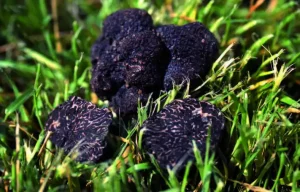
Prized Black Truffle (Tuber melanosporum):
• Color: Externally it is black with less pronounced warts; internally it is dark brown.
• Aroma: Powerful and aromatic, with hints of earth, wood, and sometimes fruity notes.
• Flavor: Rich, robust, with a complexity of flavors that can include earthy, nutty, and slightly fruity notes.

Burgundy Truffle (Tuber aestivum var. uncinatum):
• Color: Externally black with less pronounced warts; internally varies from light to dark brown.
• Aroma: Less intense than the Prized Black Truffle, with notes of wood, earth, and sometimes a subtle sweetness.
• Flavor: Earthy, with a more delicate taste than the Prized Black Truffle.

Summer Black Truffle (Tuber aestivum):
• Color: Externally black with pronounced warts; internally varies from light to dark brown.
• Aroma: Less intense than the Prized Black Truffle, with notes of wood, earth, and grass.
• Flavor: Earthy, less delicate than the Prized Black Truffle.

Bianchetto Truffle (Tuber Borchii):
• Color: Externally it can vary from light brown to beige; internally it is white.
• Aroma: Less powerful than the prized white truffle, with notes of garlic and earth.
• Flavor: Delicate, with a hint of garlic and a slight sweetness.

Winter Brumale Truffle (Tuber Brumale Vittadini):
• Color: Externally it is black with less pronounced warts; internally varies from light to dark brown.
• Aroma: Less intense than the Prized Black Truffle, with notes of earth and wood.
• Flavor: Earthy, with a more delicate taste than the Prized Black Truffle.

Smooth Black Truffle (Tuber macrosporum):
• Color: Externally black with a smoother surface; internally varies from brown to black.
• Aroma: Less pronounced than the Prized Black Truffle, with notes of wood and earth.
• Flavor: Earthy, with a more delicate taste than the Prized Black Truffle.

Muscat Truffle (Tuber brumale var. moschatum de Ferry):
• Color: Externally it is black with less pronounced warts; internally varies from light to dark brown.
• Aroma: Less intense than the prized black truffle, with notes of musk.
• Flavor: Earthy, with a more delicate taste than the Prized Black Truffle.
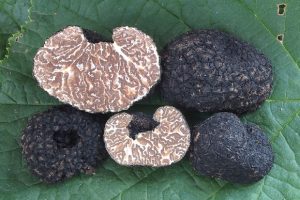
Ordinary Black Truffle (Tuber mesentericum):
• Color: Externally it is black or brownish-black with pyramidal warts; internally initially white, then becomes greyish-brown with branched white veins.
• Aroma: Very pungent and penetrating. It recalls the smell of phenol or tar, which makes it less pleasant than other truffle varieties. It can also have notes of undergrowth, mushrooms, and hazelnuts, but the chemical smell tends to dominate.
• Flavor: Intense and persistent, but less refined than more prized truffles like the Prized Black Truffle or the white truffle. It has a bitter aftertaste, which may be unpleasant for some palates.
Poetic Definitions for Each Truffle Variety
Prized White Truffle (Tuber magnatum pico): The King of truffles, a gastronomic jewel that reigns supreme with its regal aroma and sumptuous flavor.
Prized Black Truffle (Tuber melanosporum): The Diamond of truffles, a culinary gem with an intense aroma and rich flavor that shines like a treasure in the gastronomic world.
Burgundy Truffle (Tuber aestivum var. uncinatum): The Rainbow of truffles, with its earthy nuances and enveloping aroma, brings a range of flavors that dance delicately on the tongue.
Summer Black Truffle (Tuber aestivum): The Enchantment of summer truffles, a light delight with its fresh earthy scent and subtle taste that captivates summer palates.
Bianchetto Truffle (Tuber Borchii): The Pearl of truffles, with its delicate color and light aroma, is a culinary gem that adds a touch of elegance to every dish.
Winter Brumale Truffle (Tuber Brumale Vittadini): The Whisper of winter among truffles, with its light scent of wood and earth, brings a touch of calm and serenity to every winter kitchen.
Smooth Black Truffle (Tuber macrosporum): The Silk among truffles, with its smooth surface and delicate aroma, is a suave culinary experience that envelops the palate with elegance.
Muscat Truffle (Tuber brumale var. moschatum de Ferry): The Musky Enchantment of truffles, with its slightly musky aroma, is a delicate note that enriches dishes with an enveloping touch.
Brumale Truffle (Tuber mesentericum): The Simple Earth among truffles, with its more modest aroma and flavour, offers an down-to-earth culinary experience that has its unique simplicity.
Conclusion
Choosing the right truffle is a journey through gastronomic delights. Knowing the varieties, characteristics, and poetic definitions adds a touch of magic to this culinary experience. Whether you are a passionate gourmet or an experienced chef, the world of truffles offers a unique sensory feast to explore and appreciate.
Happy culinary journey, and above all, bon appétit!