
The truffle habitat is a tool for environmental sustainability

The World Wildlife Day is celebrated on March 3rd each year and was established to raise public awareness about the conservation of wild fauna and flora.
Wild nature, which includes ecosystems, animal and plant species that live free and undomesticated, is of fundamental importance for the survival of the planet and our own species. Wildlife conservation is essential to ensure biodiversity, ecological balance, the safeguarding of natural resources, and the preservation of our cultural and historical heritage.
World Wildlife Day is therefore an opportunity to promote the importance of wildlife conservation and to raise public awareness of environmental problems threatening the survival of natural ecosystems, such as climate change, habitat loss, ecosystem destruction, and illegal hunting. Furthermore, World Wildlife Day also aims to promote individual responsibility in adopting ecological and sustainable behaviors to contribute to wildlife conservation and the safeguarding of the Planet.
Truffles have high biodiversity standards, forcing humans to protect the environment
Human interest in truffles can only be sustainable for the habitat if managed responsibly and sustainably. Truffles are fungi that grow naturally underground, and their harvesting can be very profitable for truffle hunters and local communities that depend on truffle-related tourism.
However, excessive and unsustainable truffle harvesting can have negative effects on the natural habitat and the survival of species that depend on the presence of truffles. For example, excessive removal of soil around the truffle's root can damage the roots of trees and plants that host the hypogeous fungus, thereby compromising their ability to survive and perform their ecological functions.
Furthermore, truffle harvesting can be a source of conflict among hunters and can encourage illegal practices, such as harvesting in protected areas or selling fake or illegally sourced truffles.
To ensure the sustainability of human interest in truffles, it is important that harvesting is managed responsibly, respecting local laws and regulations, and promoting the conservation of natural habitats and the safeguarding of biodiversity. Additionally, it is important to encourage scientific research on the biology and ecology of truffles to better understand their interactions with the natural environment and to develop sustainable harvesting practices.
In any agricultural operation or daily goods production, no matter how much damage is limited, a negative footprint is left on nature.
The entire truffle harvesting system, which many are unaware of – those who do not know the entire biological process and ecosystem of truffles – is based on human interest in truffles and its sustainable realization, which gives it significant added value because this magical, capricious hypogeous fungus changes the rules of the game: the ecosystem in which it develops requires very high biodiversity standards; humans are forced not only to maintain the environment as it is but also to safeguard it.
This is why efforts are made on an environmental level to create new reserves, new habitats suitable for its growth. And although the ultimate goal is purely economic, the means are perfectly suited to our needs.
The truffle is not self-sustaining but lives in symbiosis with a tree, a bush, or a herbaceous plant, with which it forms a "mycorrhizal symbiosis". How does this symbiosis occur? Mycorrhizae, tube-like structures formed by primary elements called hyphae, penetrate the superficial layers of the plant's roots to extract water, mineral salts, and other components of the sap. In the presence of certain conditions, the ensemble of hyphae (i.e., the mycelium) forms the fruiting body that we call a truffle. See the article for a complete explanation.
The truffle habitat
Each truffle species has specific soil requirements.
However, a common factor for all soils suitable for truffle growth is an abundant presence of calcium.
Truffles are fungi that grow naturally underground, in symbiosis with the roots of certain tree species, primarily oaks and hazelnut trees. For this reason, the suitable habitat for truffle growth consists of wooded areas with these tree species.
They thrive best in calcareous, well-drained soils with a slightly alkaline pH. The ideal climate for truffle growth is characterized by hot, dry summers and cool, humid winters.
Furthermore, the presence of truffles depends on the presence of mycorrhizae, i.e., the symbiosis between the tree roots and soil microorganisms. This means that the suitable habitat for truffle growth must be characterized by soil rich in nutrients and beneficial microorganisms for the tree's growth.
The presence of truffles also depends on the quality of the natural habitat and the ecological balance of the area. Destruction of natural habitats, pollution, and loss of biodiversity can negatively impact the presence of truffles and other species that depend on them.
In summary, the suitable habitat for truffle growth consists of wooded areas with oak and hazelnut trees, in calcareous, well-drained soils with a slightly alkaline pH. The ecological balance of the area and the presence of mycorrhizae are also important factors for the presence of truffles.
But this particular fungus is unpredictable: it can grow anywhere a congenial tree's root system is found, even in a vineyard, where a willow or oak stake has taken root thanks to nature's infinite resources.
Humans do not create a truffle ground; they merely set the right conditions for its development
The white truffle
This variety is certainly the most difficult and demanding.
Not surprisingly, its price significantly exceeds that of any other, and its fame has conquered the world, attracting visitors from all over.
For its development, the soil must be silty, relatively fertile, and with a correct balance between clay and sand. Altitude is also important: it is very rare above 600-700 meters.
The best habitats are "invasion" woodlands, previously cultivated areas left to themselves, which have not yet reached full spatial density.
Clues to look for are hazelnut, poplar, or oak trees that do not appear too "manicured."
The black truffle
Unlike the white truffle, the black one adapts to different areas, as long as they are rich in calcium, as we have already mentioned.
It prefers poor soils, rich in skeletal material (gravel and pebbles), but also grows without difficulty in white truffle soils.
The summer black truffle, also called Scorzone, is equally versatile. However, it does not like dense, shady woods and thrives well with isolated trees or along watercourses.
The symbiotic plants of the truffle
There are several plant species with which truffles can enter into symbiosis. Those found in the vegetation of our Italian peninsula are the following:
| Tree | Leaf | |
|---|---|---|
| Poplar | 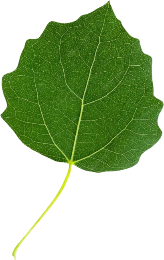 |
|
| Oak | 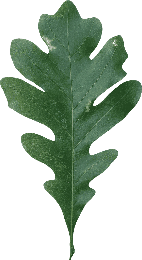 |
|
| Linden |  |
|
| Willow | 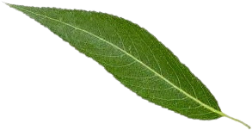 |
|
| Wild Hazelnut | 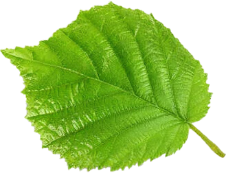 |
|
| Elderberry | 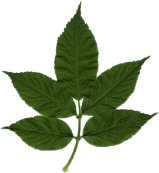 |
|
| Holm Oak | 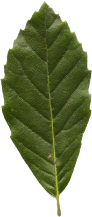 |
|
| Downy Oak | 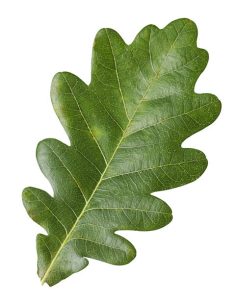 |
|
| Pedunculate Oak | 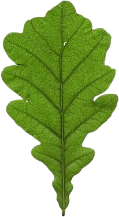 |
|
| Turkey Oak | 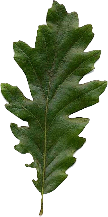 |
|
| Hop Hornbeam | 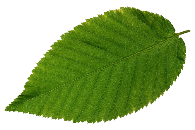 |
Urban truffle grounds and city truffles
Another thing few people know about truffles is that, however difficult and delicate their development may be, they sometimes grow in the least suspected places, in the city center. Typically in public gardens, parks, and flowerbeds, but it's not impossible for them to grow under low walls or sidewalks.
Alba, in particular, can boast several "urban" truffle grounds, hidden in plain sight among the city streets.
This strange situation is due to the fact that, in the soil of urban centers, rubble rich in carbonate mixes with the soil, slowly dissolving and releasing high calcium content, which, as we saw earlier, is the truffle's number one companion.
Conclusion
Engaging collectively and individually in wildlife protection, giving visibility to crimes against it (for example, poaching and the illegal trade of animals and plants), implementing actions to eradicate them, and increasing people's awareness of the multitude of benefits that nature conservation offers our species is of fundamental importance.