
How is the value of truffles assessed?

Discover how the value of truffles varies based on weight and quality. Weight measurements like gram or kilogram are common for expressing costs. Options include price per gram, per kilogram, per piece, or per lot. Factors such as truffle type, rarity, and origin influence prices. The four main selection categories are: Small and Broken Pieces, First Choice, Extra Selection, and Super Extra. Each category reflects the truffle's quality and appearance. We also delve into the prices of varieties such as the Precious Black Truffle, the Precious White Truffle, and the Summer Black or Scorzone, exploring the sub-categories of selection.
Truffle prices are usually expressed based on the weight of the individual truffle unit. As truffles are considered delicacies and can be expensive, it is common to use smaller weight measurements such as gram or kilogram. Here are some common ways to express truffle prices:
- Price per gram: In this case, the cost of the truffle is calculated per gram. For example, if a truffle costs 10 euros per gram and you buy one that weighs 50 grams, the total cost would be 500 euros.
- Price per kilogram: This is similar to the per gram approach, but the price is calculated per kilogram instead of per gram. For example, if a truffle costs 1000 euros per kilogram and you buy one that weighs 0.2 kilograms (i.e., 200 grams), the total cost would be 200 euros.
- Price per piece: In some cases, especially for larger or particularly rare truffles, the price might be expressed per piece. For example, a truffle might be quoted at 200 euros each.
- Price per lot: For wholesale purchases, a price might be offered for a lot of truffles. In this case, the overall cost will depend on the quantity of truffles included in the lot.
It is important to note that truffle prices can vary significantly based on several factors, including the type of truffle, its rarity, the harvesting season, quality, and origin. Furthermore, the truffle market can be influenced by supply and demand, climatic and economic factors, as well as the geographical region in which they are sold.
The price of truffles can vary considerably based on the different selection categories into which they are divided. The four main selection categories are:
- Small and Broken Pieces: This category includes smaller truffles or those that may be damaged or broken. These truffles may have a less aesthetic appearance than other categories. Consequently, the price of truffles in this category is usually lower than the others.
- First Choice: This category includes good quality truffles, of adequate size and with an attractive general appearance. First choice truffles are often those with fewer imperfections and that look good. The price of first choice truffles is higher than small and broken pieces.
- Extra Selection: This category represents a higher quality than first choice. Truffles in this category are generally larger, regularly shaped, and free from obvious imperfections. Consequently, the price of extra selection truffles is even higher than the previous category.
- Super Extra: This is the highest selection category and includes the best quality truffles available. These truffles are often of exceptional size, perfectly formed, and free from any visible defects. The price of super extra truffles is the highest among all categories.
Keep in mind that specific prices will vary depending on the type of truffle (e.g., black truffle or white truffle), its rarity, the season, market conditions, and the geographical region in which they are sold. The classification of categories may vary slightly from one producer or distributor to another, but generally, this subdivision reflects differences in truffle quality and appearance, thus influencing the price.
Below, we clearly explain how the economic value of truffles varies across their 4 selection categories:
SMALL AND BROKEN PIECES, FIRST CHOICE, EXTRA SELECTION, SUPER EXTRA.
Precious Black Truffle (Tuber Melanosporum Vittadini)
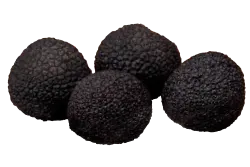
SUPER-EXTRA SELECTION
Only the best truffles of this variety belong to this category; they have a very rounded, almost spherical shape, with consistently mature pulp, outwardly free of defects, with only very small cuts on the skin to show the quality of the pulp.
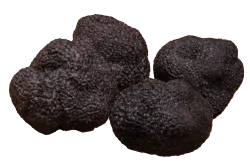
EXTRA SELECTION
The most available selection in nature, these truffles have a regular and rounded shape and may show slight cosmetic defects such as nicks, cuts, etc. The quality of the pulp does not differ from the previous selection.
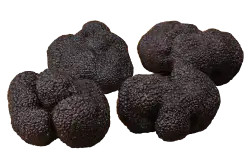
FIRST CHOICE
Selections of whole truffles of regular shape with possible lobed formations. The surface may show small scuffed portions. The pulp quality is the same as the previous and higher selections.
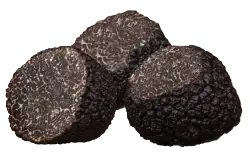
SMALL AND BROKEN PIECES
Truffles broken during harvesting, washing, or intentionally cut, fall into this category.
Precious White Truffle (Tuber Magnatum Pico)

SUPER-EXTRA SELECTION
This is the best selection, consisting only of whole truffles, very rounded in shape, with no cosmetic defects.
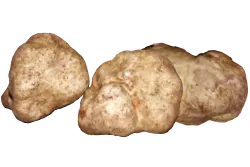
EXTRA SELECTION
Truffles of regular shape that may have defects only at an aesthetic level, such as cuts, abrasions, or other minor imperfections.
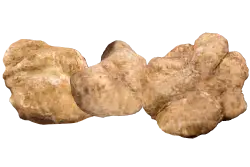
FIRST CHOICE
Composed of whole truffles of more or less regular shape that may have imperfections on the surface, but the quality does not differ from the two larger selections previously discussed.
Summer Black or Scorzone (Tuber Aestivum Vittadini)
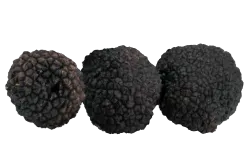
EXTRA SELECTION
Whole truffles of very rounded shape, showing no external alterations, with a consistently mature hazelnut-colored pulp.
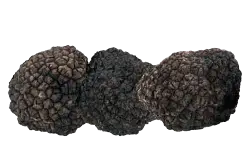
FIRST CHOICE
Composed of noticeably round and regular shaped truffles, which may show defects on the peridium such as cuts or abrasions. It differs from the extra only in appearance, not in quality.
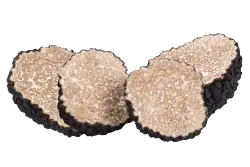
PIECES SELECTION
Truffles broken during harvesting, washing, or intentionally cut, are part of this selection. The pulp, as with the other categories, must in no way show signs of ripening defects.
Conclusions
Truffle prices vary based on the different selection categories into which they are divided. The main categories include "Small and Broken Pieces", "First Choice", "Extra Selection", and "Super Extra". Each category reflects the truffle's quality, shape, and appearance, influencing its price. Prices can be expressed in various ways, such as cost per gram, per kilogram, per piece, or per lot. Factors such as the type of truffle, its rarity, the harvesting season, origin, and market conditions significantly influence truffle prices. It is important to note that the classification of categories may vary slightly among producers and distributors, but in general, it reflects differences in truffle quality and appearance.
TRUFFLE SEASONALITY
Each type of truffle has its own specific seasonality and maturation ground, and depends on local climatic conditions and can vary from year to year. Harvesting times are established annually by specific regional laws, and can therefore vary from region to region,
making them a rare and precious delicacy. In general, truffles are harvested in autumn and winter, but some species can also be found in spring and summer.
Below is an indicative list of truffle harvesting periods in Italy:
- Precious White Truffle: from September 15th to January 31st.
- Precious Black Truffle: from December 1st to March 15th.
- Muscat Truffle: from November 15th to March 15th.
- Summer Black or Scorzone Truffle: from May 1st to August 31st and from September 21st to November 30th.
- Uncinato Truffle: from October 1st to January 31st.
- Winter Black Truffle: from December 15th to March 15th.
- Bianchetto Truffle: from January 15th to April 15th.
For more precise information on the periods when you can go truffle hunting in your region, we advise you to consult the Truffle Harvesting Calendar.
If you are not in the season for Precious Black Truffles, you can use high-quality Precious Black Truffle products .